
Know the Facts. Know Your Risk. Know Your Breast Health.
October is Breast Cancer Awareness Month—a time to increase awareness about breast cancer, encourage early detection, support those affected by the disease, and remind ourselves that taking care of our health should be a year-round priority.
Breast cancer is the most common cancer among American women, except for skin cancer. And while breast cancer is much more common in women, men can develop breast cancer, too.
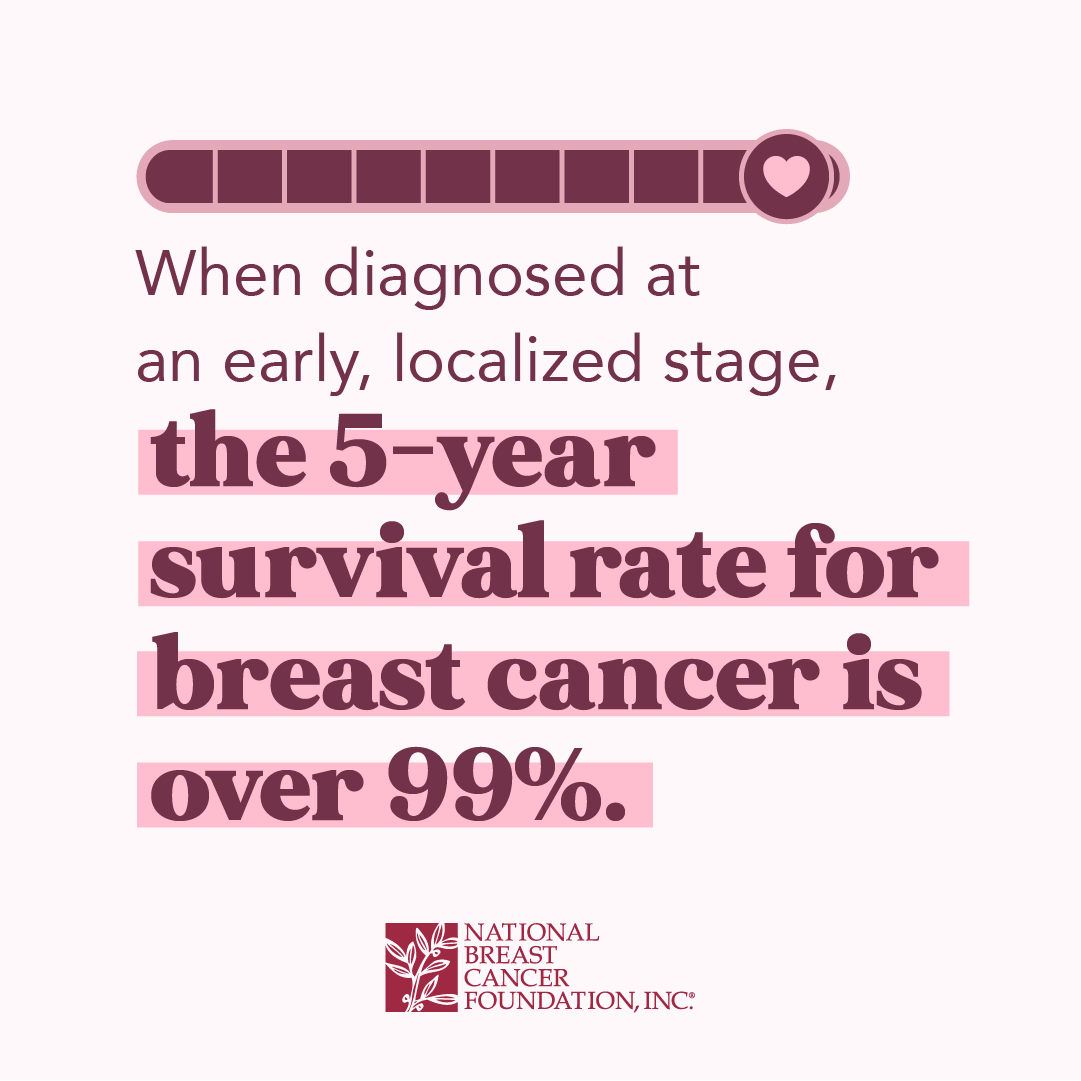
The good news is that early detection can make a significant difference. When breast cancer is diagnosed at an early, localized stage, the 5-year relative survival rate is over 99%.
Breast Cancer by the Numbers
According to the National Breast Cancer Foundation and the Centers for Disease Control and Prevention:
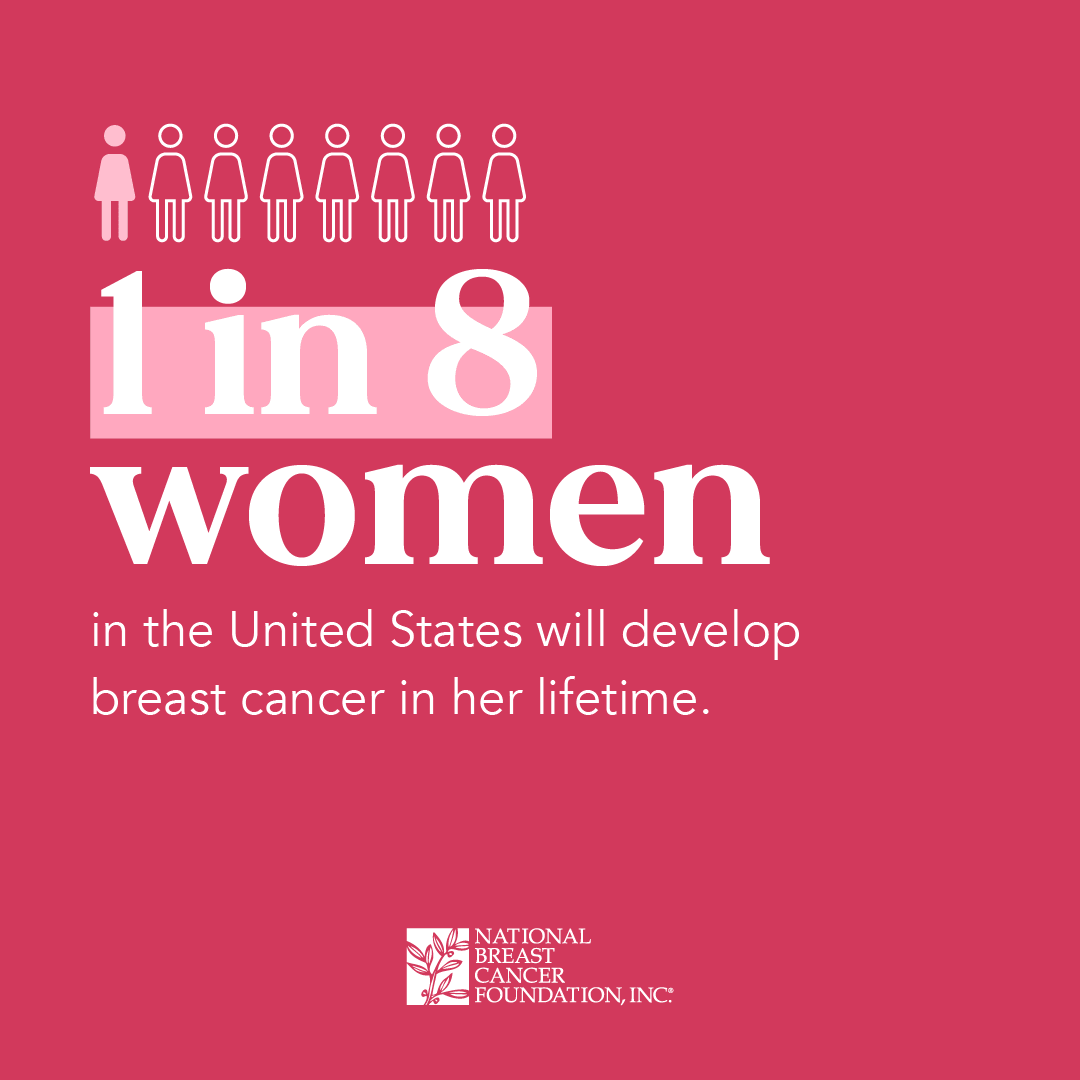
- 1 in 8 women in the United States will be diagnosed with breast cancer during her lifetime.
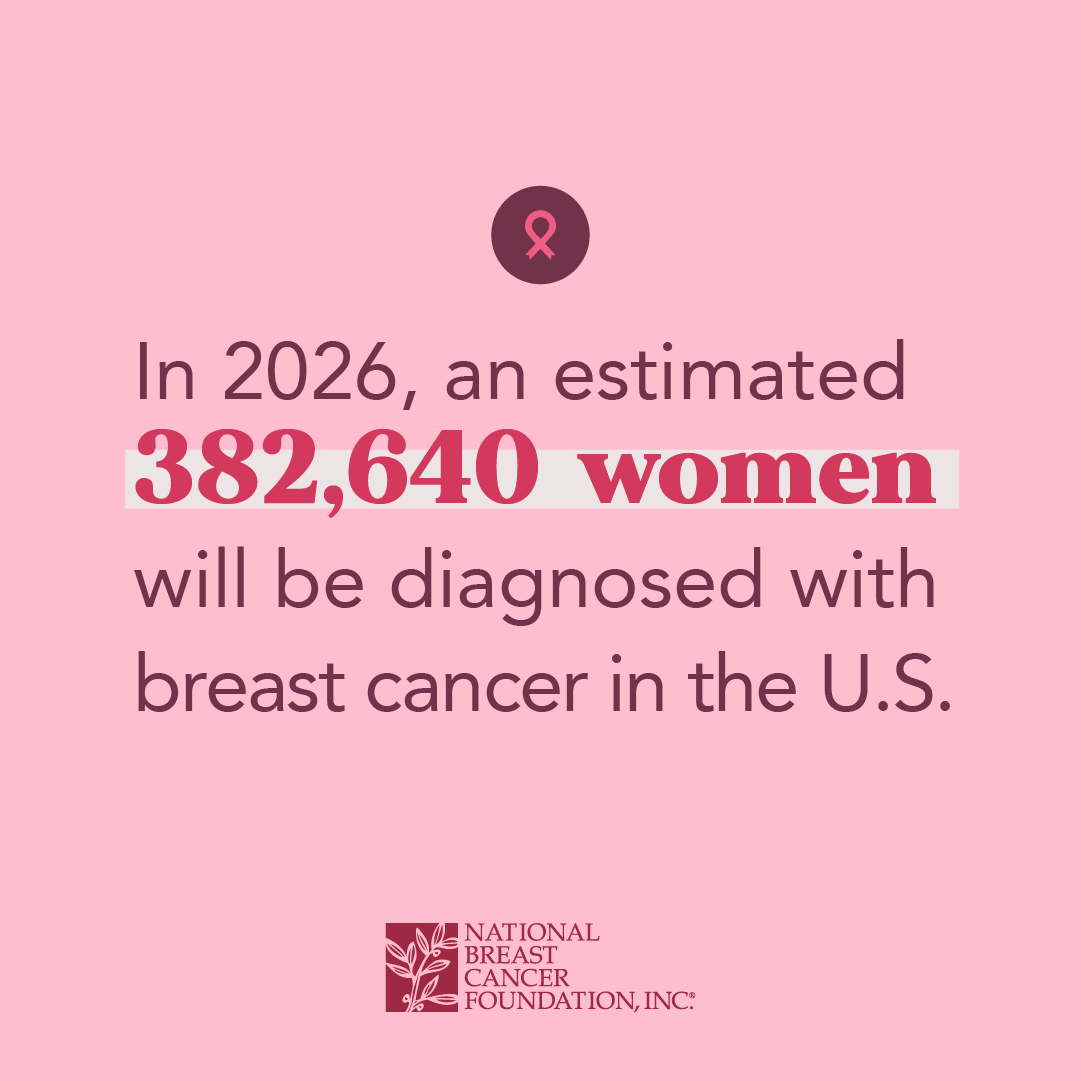
- An estimated 382,640 women will be diagnosed with breast cancer in the United States in 2026.
- Approximately 66% of breast cancer cases are diagnosed at a localized stage, when the cancer has not spread outside the breast.
- Women ages 50–74 who receive a mammogram every two years have a 26% lower risk of dying from breast cancer compared with women who do not get screened.
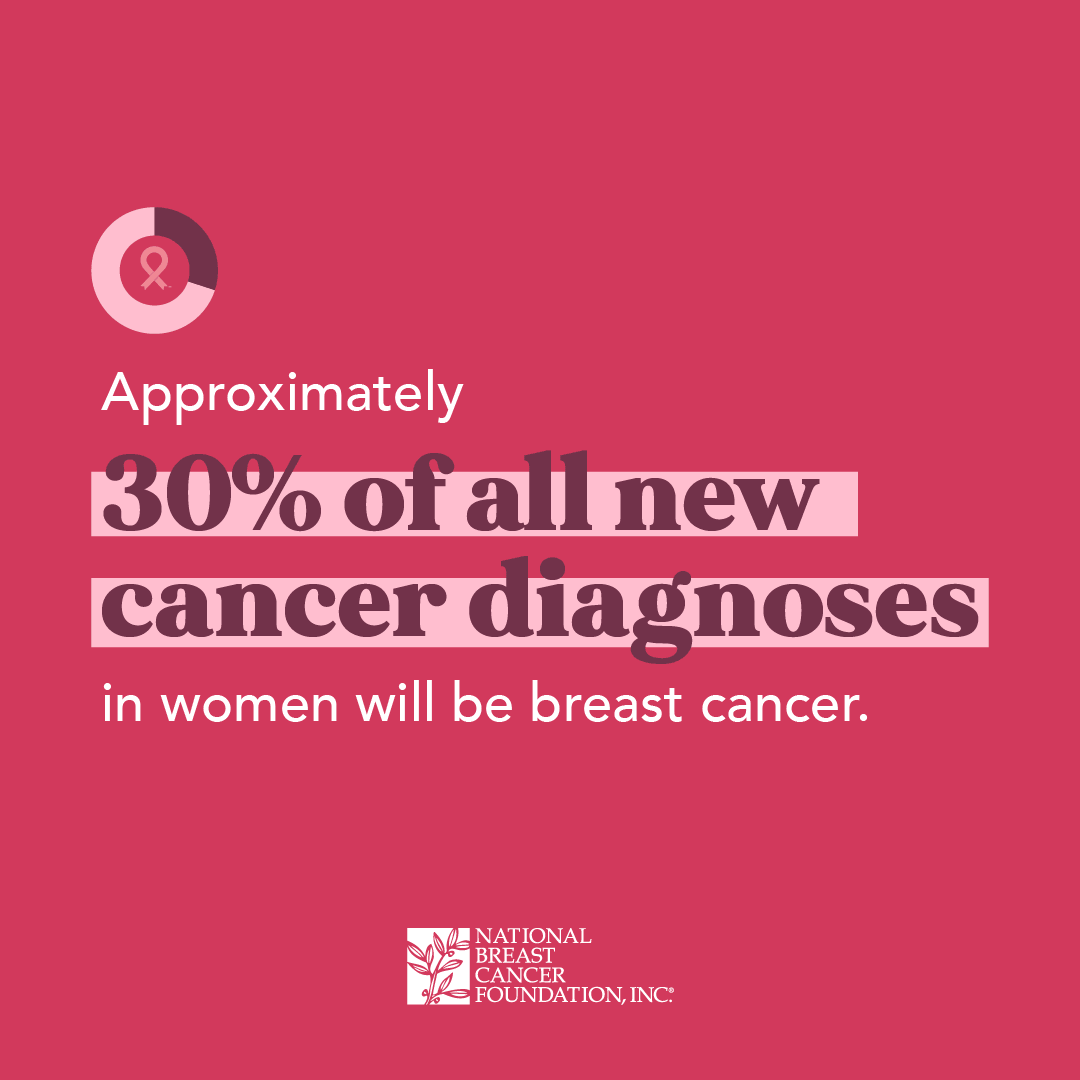
- About 30% of all new cancer diagnoses in women are expected to be breast cancer this year.
- An estimated 42,140 women will die from breast cancer in the United States in 2026.
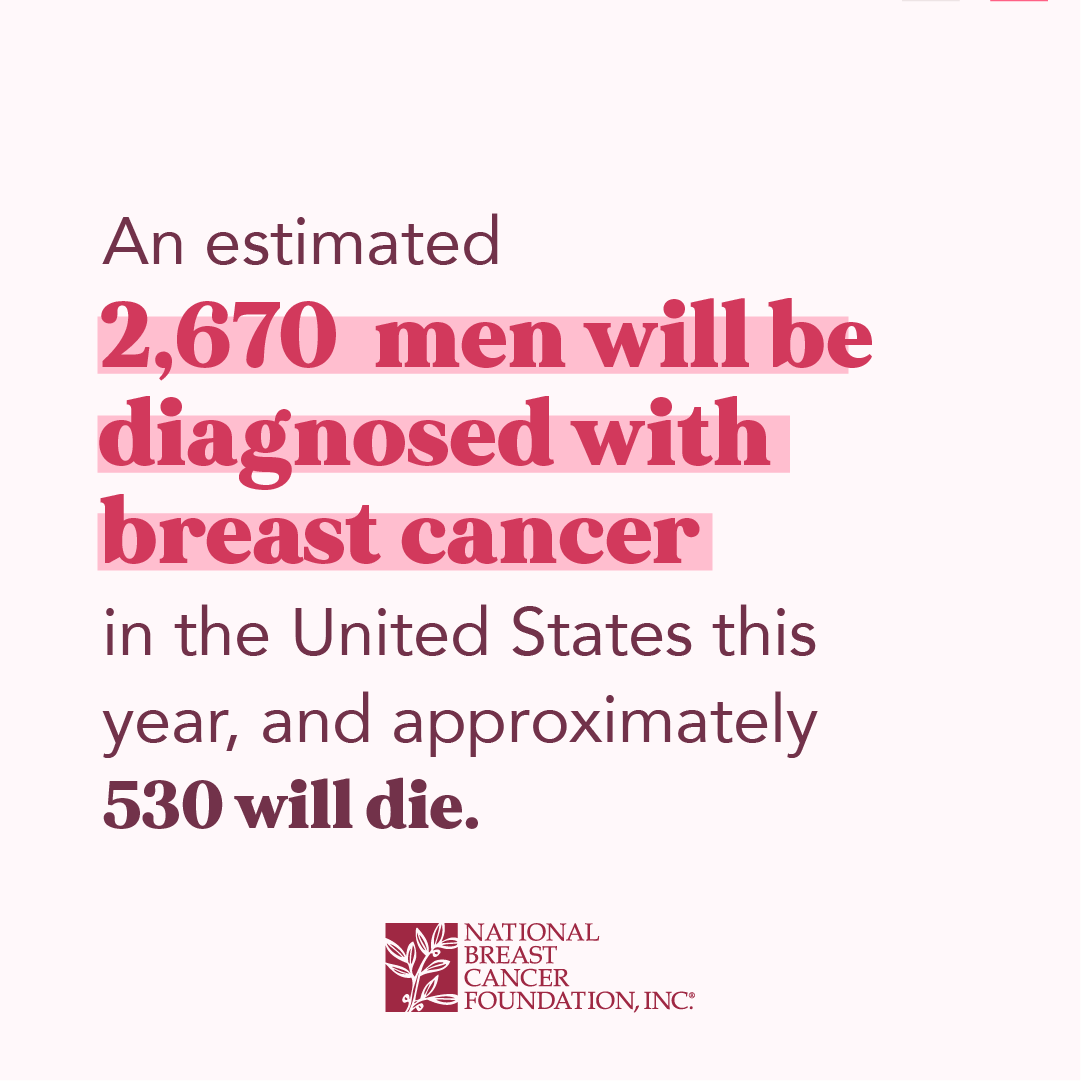
- An estimated 2,670 men will be diagnosed with breast cancer this year, and approximately 530 men will die from the disease.
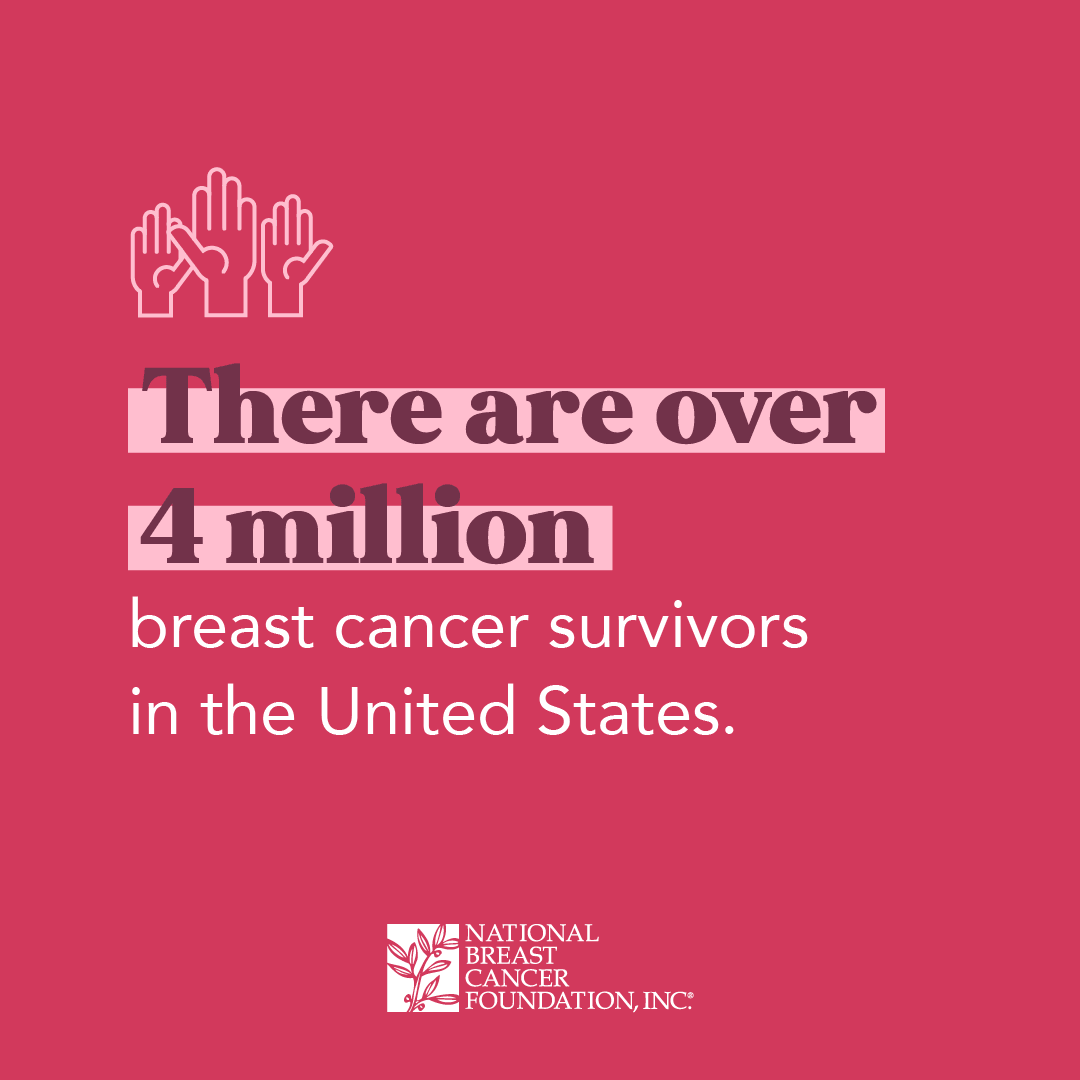
- There are currently more than 4 million breast cancer survivors in the United States.
These numbers are a reminder that breast cancer affects individuals, families, and communities—and that awareness needs to lead to action.
Early Detection Matters
Breast cancer screening can help find cancer before symptoms develop, when it may be easier to treat. For women at average risk, the U.S. Preventive Services Task Force recommends a screening mammogram every two years from ages 40 through 74. Screening recommendations may be different for people who have a higher-than-average risk, so it is important to talk with your healthcare provider about your personal and family history.
A mammogram is an X-ray image of the breast and is the standard screening test for most women. Regular mammograms can help reduce the risk of dying from breast cancer.
If you are due for a mammogram, October is a great time to make the appointment.
Know What Is Normal for You
Breast self-awareness means knowing how your breasts normally look and feel so you can recognize changes and bring them to the attention of your healthcare provider.
Possible signs and symptoms of breast cancer can include:
- A new lump, mass, or thickening in the breast or underarm
- A change in the size or shape of a breast
- Dimpling or puckering of the skin
- Changes in the nipple, including a nipple turning inward
- Nipple discharge, particularly clear or bloody discharge
- Red, scaly, swollen, or otherwise unusual skin on the breast or nipple
- Persistent breast or nipple pain
- Swelling or other changes in the breast or nearby lymph nodes
Most breast changes are not cancer. However, any new or unusual change should be discussed with your healthcare provider so it can be evaluated appropriately. Breast self-awareness does not replace recommended mammograms or other screening based on your age, risk, and health history.
Breast Cancer Doesn’t Affect Women Alone
Although breast cancer is far more common in women, men can develop breast cancer as well. In fact, an estimated 2,670 men in the United States will be diagnosed with breast cancer in 2026.
Because breast cancer in men is less common, changes may be overlooked or attributed to other causes. Men should also talk with a healthcare provider about any unusual breast or chest changes, including a lump, swelling, skin changes, nipple changes, or discharge.
Supporting Someone With Breast Cancer
A breast cancer diagnosis affects more than the person receiving it. Family members and friends often become caregivers, advocates, transportation providers, meal-makers, and sources of emotional support.
If someone you love is going through breast cancer treatment, some of the most helpful things you can do are simple:
Offer practical help. Help with meals, grocery shopping, household chores, transportation, errands, or other everyday responsibilities can take some pressure off during treatment.
Be willing to listen. You don’t always need to have the right words or offer solutions. Sometimes simply being present and allowing someone to talk about what they’re experiencing is the most meaningful support you can provide.
Go to appointments when appropriate. If your loved one would like you there, accompanying them to appointments can provide emotional support and give them another person to listen, take notes, and help remember questions.
Respect their independence. Offer help, but allow your loved one to decide what they need and how they want to be involved in their care.
Take care of yourself, too. Caregiving can be physically and emotionally demanding. Rest, accept help from others, and make time for your own health and well-being. Supporting someone else is easier when you are also taking care of yourself. The National Breast Cancer Foundation offers a free Cancer Caregiver Guide with practical information for caregivers.
When Cancer Treatment Comes Home
For some people, the effects of cancer and its treatment don’t end when they leave the doctor’s office or hospital. Recovery may involve managing wounds, medications, fatigue, mobility challenges, or other changes while adjusting to life at home.
That’s where home health care can become an important part of the support system.
Legacy Home Health Care provides personalized, home-based care for patients throughout North Central Florida. Depending on an individual’s needs and plan of care, services may include skilled nursing, therapy, infusion services, wound care, and other skilled services designed to help patients remain safe and as independent as possible at home.
Our goal is simple: helping you and your loved ones stay safe at home.
If you are due for a mammogram or have questions about your breast health, talk with your healthcare provider.
Legacy Home Health Care is here to help patients and families navigate care at home.