
Understanding Cholesterol: Know Your Numbers, Protect Your Heart
Cholesterol is something we all have, and your body actually needs it to work properly. But when certain types of cholesterol become too high, they can contribute to plaque buildup in your arteries and increase your risk of heart disease and stroke.
The good news is that understanding your cholesterol is an important first step toward protecting your heart health.
What Is Cholesterol?
Cholesterol is a waxy, fat-like substance found in your blood. Your body needs cholesterol to perform important jobs, including making hormones and helping digest food. Your liver makes the cholesterol your body needs, and you also get some from the foods you eat.
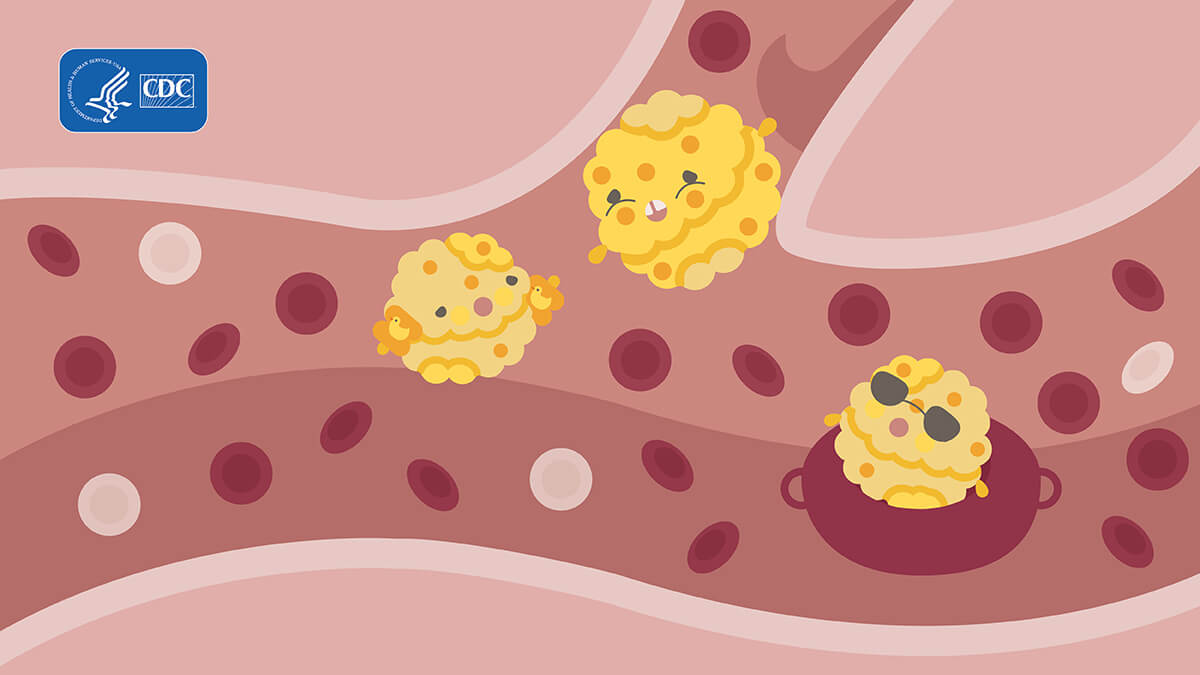
Because cholesterol doesn’t dissolve in your blood on its own, it travels through your bloodstream with the help of proteins. These combinations are called lipoproteins.
You may have heard of two of them: LDL and HDL.
LDL: The “Bad” Cholesterol
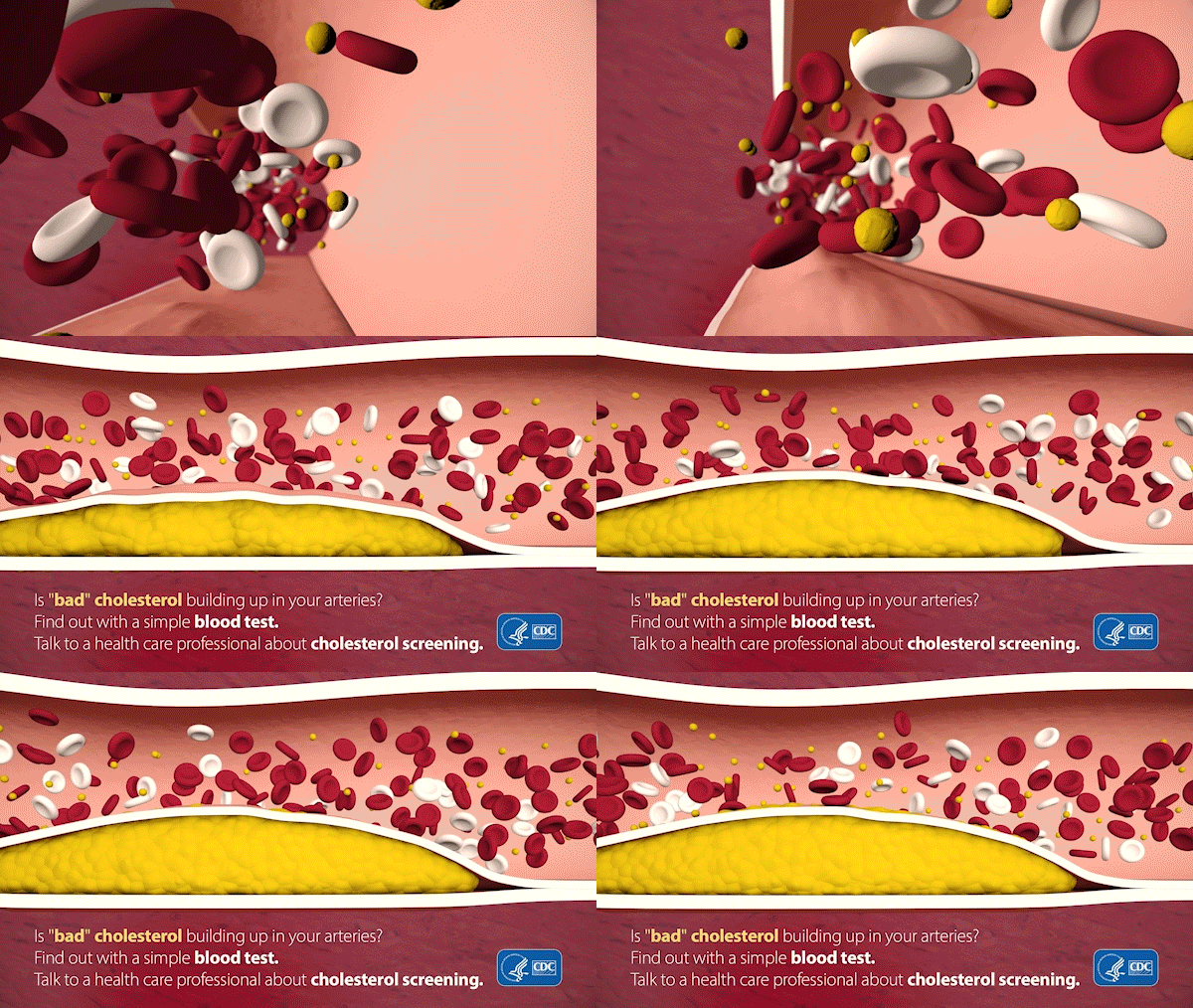
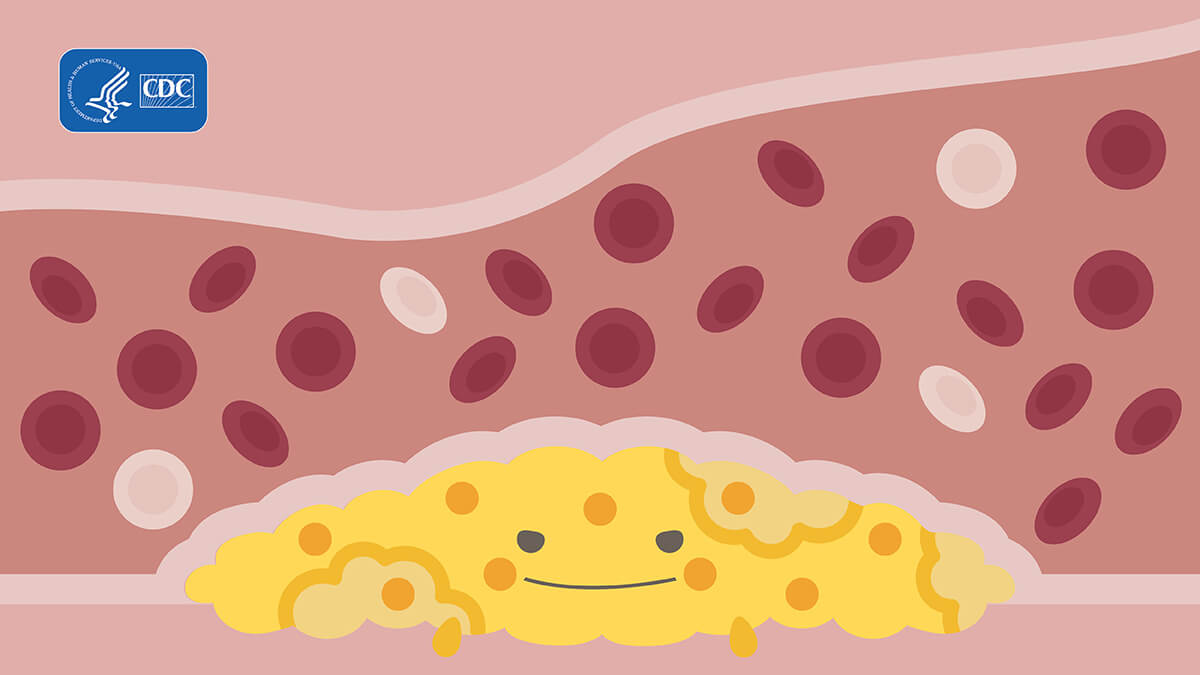
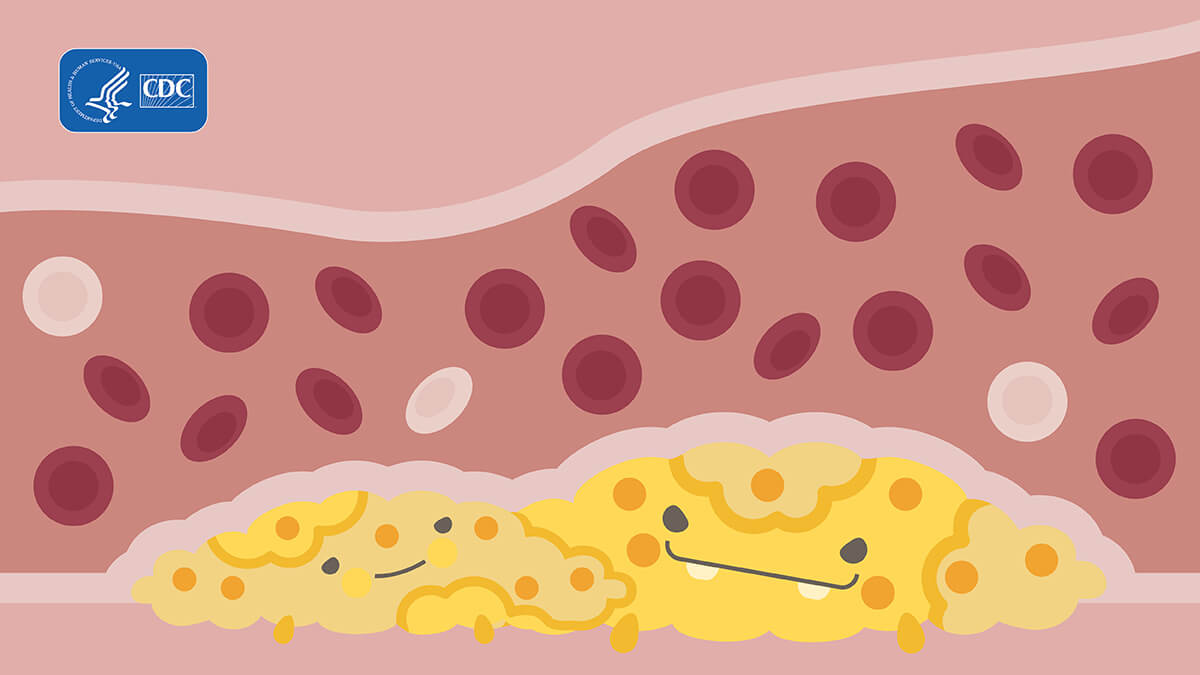
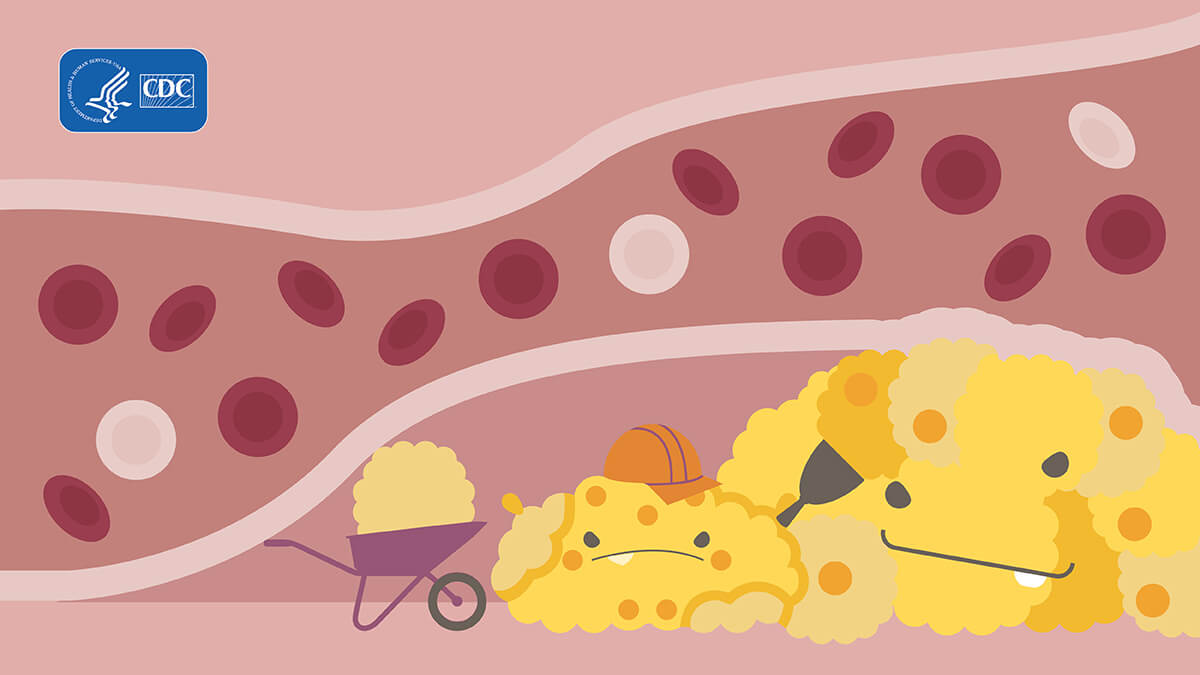
LDL (low-density lipoprotein) is often called “bad” cholesterol. When there is too much LDL in your blood, it can contribute to plaque buildup along the walls of your arteries.
Over time, this buildup can narrow or block your arteries and make it harder for blood to reach your heart and other parts of your body.
In general, a lower LDL level is considered healthier, but your individual cholesterol goals depend on your overall health and risk factors.
HDL: The “Good” Cholesterol
HDL (high-density lipoprotein) is often called “good” cholesterol because it helps carry cholesterol away from your arteries and back to your liver, where it can be processed and removed from your body.
But cholesterol isn’t simply a matter of having “good” cholesterol and “bad” cholesterol. Your healthcare provider looks at your complete cholesterol profile along with your overall health and risk factors to understand your heart-health needs.
What Are Triglycerides?
Your cholesterol test will usually include triglycerides, another type of fat found in your blood.
Your body uses triglycerides for energy, but having too many can increase your risk of heart disease and stroke. Triglyceride levels can be influenced by factors such as diet, physical activity, weight, certain health conditions and some medications.
What Do My Cholesterol Numbers Mean?
A cholesterol test, often called a lipid panel or lipid profile, measures several different types of fats in your blood. It may include:
- Total cholesterol – The overall amount of cholesterol in your blood.
- LDL cholesterol – The type that can contribute to plaque buildup in your arteries.
- HDL cholesterol – The type that helps carry cholesterol away from the arteries.
- Triglycerides – A type of fat your body uses for energy.
There isn’t one cholesterol goal that is right for everyone. Your healthcare provider considers your individual health history and other risk factors when determining what your numbers mean and whether you need to make changes.
That’s why it’s important to look at your cholesterol numbers as part of the bigger picture of your heart health, rather than focusing on one number by itself.
High Cholesterol Usually Has No Symptoms
One of the most important things to know about cholesterol is that you can have high cholesterol and feel completely fine.
High cholesterol usually doesn’t cause signs or symptoms. The only way to know your cholesterol levels is through a blood test.
Your healthcare provider can tell you when you should have your cholesterol checked based on your age, health history and other risk factors.
What Can I Do About My Cholesterol?
Some factors that affect cholesterol, such as age and family history, are outside your control. But there are also steps you can take to support healthier cholesterol levels and overall heart health.
Choose heart-healthy foods.
Eat more fruits, vegetables, whole grains, beans, nuts and lean sources of protein. Limit foods high in saturated and trans fats, and choose foods with healthier unsaturated fats when possible.
Stay active.
Regular physical activity can support healthy cholesterol levels and overall cardiovascular health. Walking and other moderate activities can be a great place to start. Choose activities that are safe and appropriate for your abilities.
Maintain a healthy weight.
If you are overweight, losing even a modest amount of weight may help improve cholesterol levels and reduce your risk of heart disease.
Don’t smoke.
Smoking damages blood vessels and increases your risk of heart disease. Quitting is one of the best things you can do for your cardiovascular health.
Take medications as prescribed.
For some people, lifestyle changes alone aren’t enough to manage cholesterol. Your healthcare provider may recommend medication based on your individual health and risk factors. If you take cholesterol medication, take it as directed and talk with your provider before stopping or changing it.
Check out this American Heart Association video about cholesterol-lowering medications. Starting with why you might need them.
Don’t Be Afraid to Ask Questions
Managing cholesterol is a team effort. Your healthcare provider can help you understand your numbers, identify your risk factors and determine what steps are appropriate for you.
If you’re unsure what your cholesterol numbers mean, ask. If you don’t know when you should be tested, ask. And if you’re wondering whether you need to make changes to your diet, activity level or medications, ask.
Million Hearts® is a national initiative working to prevent heart attacks and strokes by helping people take action to protect their cardiovascular health. Co-led by the Centers for Disease Control and Prevention (CDC) and the Centers for Medicare & Medicaid Services (CMS), the initiative provides practical information about managing risk factors such as high cholesterol.
Know Your Numbers. Protect Your Heart.
High cholesterol may not make you feel sick today, but managing it is an important part of protecting your heart and blood vessels for the future.
At Legacy Home Health Care, we believe education is an important part of helping our patients stay healthy and independent at home. The more you understand about your health, the better equipped you are to be an active partner in your care.
Want to learn more about cholesterol and protecting your heart? Visit Legacy’s Cardiac Care & Cholesterol page for additional information about cholesterol, heart health, and cardiovascular care.