
At Legacy Home Health Care, we know how overwhelming it can feel to keep up with the ever-changing world of vaccinations. August is National Immunization Awareness Month, and now is the perfect time to take stock of your vaccination status and understand how staying up to date on immunizations can protect your health—especially for older adults and those with chronic conditions.
Why Vaccination Still Matters
Vaccines are one of the most effective ways to prevent disease, reduce complications, and avoid hospitalizations. According to the CDC and the World Health Organization, routine vaccination prevents millions of deaths worldwide each year and significantly reduces hospitalizations and healthcare costs. For seniors, staying protected is especially important, as aging naturally weakens the immune system.
Many of our patients are managing multiple health concerns, which can increase vulnerability to complications from illnesses that are otherwise preventable. The good news? A few simple shots can go a long way in protecting your health and independence.
Key Vaccines for Adults 60+ in 2025
Here are the most commonly recommended vaccines for our senior patients:
1. Influenza (Flu) Vaccine
Each year’s flu vaccine is updated to protect against the strains expected to circulate during the upcoming flu season. Updated annually, the flu shot remains critical for seniors, especially those over 65, who account for the majority of flu-related hospitalizations and deaths. The high-dose and adjuvanted flu vaccines are designed specifically to offer stronger protection for older adults.
👉 Best time to get it: Early fall (September–October)
2. Pneumococcal Vaccine
This vaccine helps protect against pneumonia, bloodstream infections, and meningitis. The CDC recommends pneumococcal vaccination for adults age 50 and older who have not previously received a recommended pneumococcal conjugate vaccine. Depending on your vaccination history, your provider may recommend PCV20, PCV21, or another appropriate schedule.
👉 Ask your provider which vaccine schedule is right for you.
3. Shingles (Herpes Zoster) Vaccine
If you’re 50 or older and haven’t had your 2-dose Shingrix series, it’s time to ask your doctor. Shingles affects 1 in 3 adults in their lifetime and can lead to long-term nerve pain (postherpetic neuralgia).
👉 Now covered by Medicare Part D and most private insurance plans.
4. Tdap or Td Booster
Even if you were vaccinated as a child, adults need a Tdap booster every 10 years to stay protected against tetanus, diphtheria, and pertussis (whooping cough).
👉 Pregnant women and caregivers of infants should be especially vigilant.
5. COVID-19 Vaccine
COVID-19 continues to circulate, particularly affecting older adults and people with chronic health conditions. The CDC recommends that adults ages 65 and older stay up to date with the current seasonal COVID-19 vaccine. Depending on age, health conditions, and previous vaccination history, some individuals may be eligible for additional doses.
👉 Talk with your healthcare provider about the current recommendations that apply to you.
6. RSV (Respiratory Syncytial Virus) Vaccine
The RSV vaccine is now an established recommendation for many older adults. RSV can cause severe respiratory illness, especially in people with heart disease, lung disease, or weakened immune systems. Current CDC recommendations include adults age 75 and older, as well as adults ages 60–74 who are at increased risk.
👉 Talk with your doctor about whether this vaccine is right for you.
Important Note About Medications and Vaccine Timing
Certain medications—such as immunosuppressants, chemotherapy, or high-dose steroids—can affect your immune response to vaccines. Be sure to speak with your care team about the best timing for vaccination based on your treatment plan.
It’s also common to wonder whether it’s safe to receive more than one vaccine during the same visit. In many cases, adults can safely receive multiple vaccines at a single appointment, which can help ensure they stay up to date on recommended immunizations. Your healthcare provider can recommend the best schedule based on your age, health conditions, medications, and vaccination history.
Resources to Help You Decide
The internet is full of conflicting advice, but trusted sources are still your best bet. We recommend:
- CDC’s Vaccine Recommendations for Adults – A simple tool to find out what vaccines you may need
- National Institute on Aging – Reliable, senior-focused vaccine information
- Your Legacy caregiver or nurse – We’re here to help guide you in the right direction
Take Control of Your Health with Confidence
At Legacy Home Health Care, we believe in proactive, preventative care. Vaccines aren’t just about avoiding illness—they help maintain independence, reduce hospital visits, and keep our patients feeling their best. We’re proud to support our community in making informed, empowered healthcare decisions.
🩺 Not sure what vaccines you need? Let us help you start the conversation with your doctor.
National Immunization Awareness Month is the perfect reminder to review your vaccination status
This August, take time to review your vaccination status and encourage friends and loved ones to do the same. Together, we can protect ourselves—and each other—from preventable diseases.
💉 Because staying healthy isn’t just about treatment—it’s about prevention.
Click more to learn how Legacy Home Health Care can ensure that your loved ones stay vaccinated, healthy, and happy in their own homes.
Don’t Let RSV Knock You Down: Get Vaccinated!
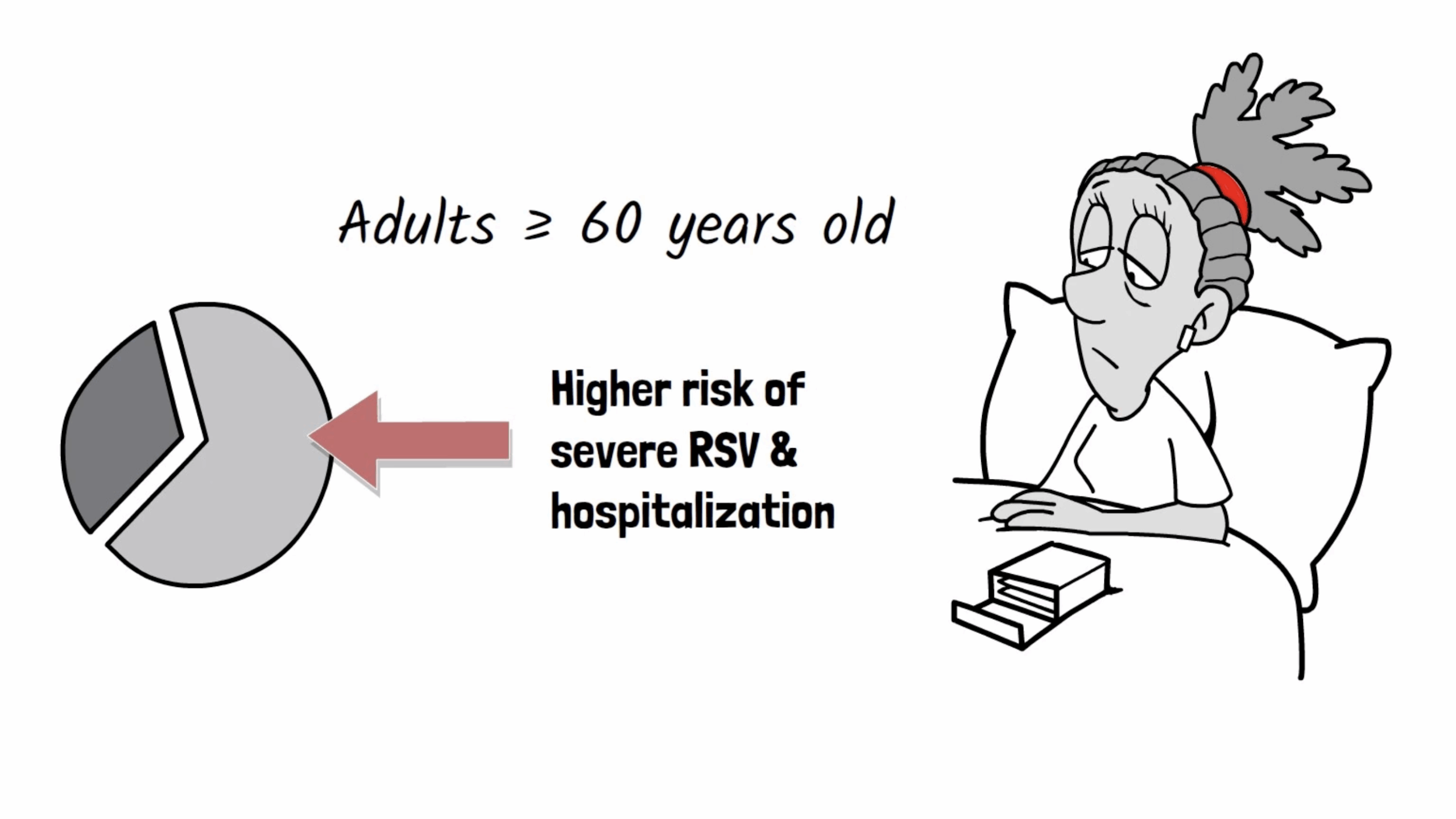
Respiratory Syncytial Virus (RSV) is more than just a seasonal bug—it can cause serious illness in older adults, especially those with heart or lung conditions. As we age, our immune systems aren’t as strong, making it easier for viruses like RSV to take hold and harder to recover. That’s why getting the RSV vaccine is so important. It’s a quick, easy way to protect yourself and stay healthy through the season. Don’t wait until you’re sick—get ahead of it and stay strong.
Beat the Flu before it beats you!
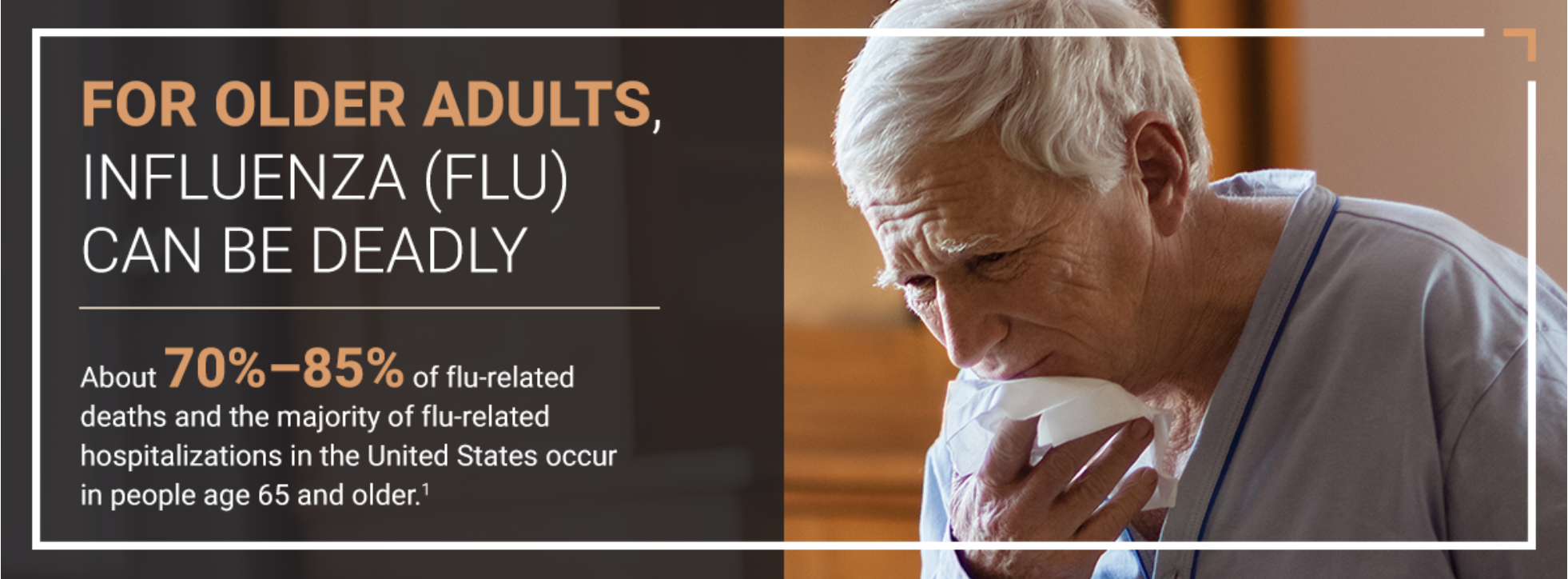
Flu shots are currently becoming available in our area. Be sure to get yours BEFORE flu season hits, preferably before the end of October. Be safe, not sorry. To learn more about flu and its adverse effects on seniors over 65, click the image above.
Know Where To Go…
Pfizer’s VaxAssist website can assist you in determining what insurance covers and where to schedule your next vaccination.
Watch this video from the National Institute on Aging regarding shingles and how the vaccine can prevent this painful illness.