
Honoring Those Who Give So Much: National Family Caregivers Month 2026
Every November, we take time to recognize and celebrate the people who give so much of themselves to care for others—family caregivers. Whether caring for an aging parent, a spouse with Alzheimer’s, or a loved one recovering from illness, caregivers are the heart of families and communities across the nation. Their compassion, commitment, and willingness to show up day after day make a difference that reaches far beyond the individual receiving care.
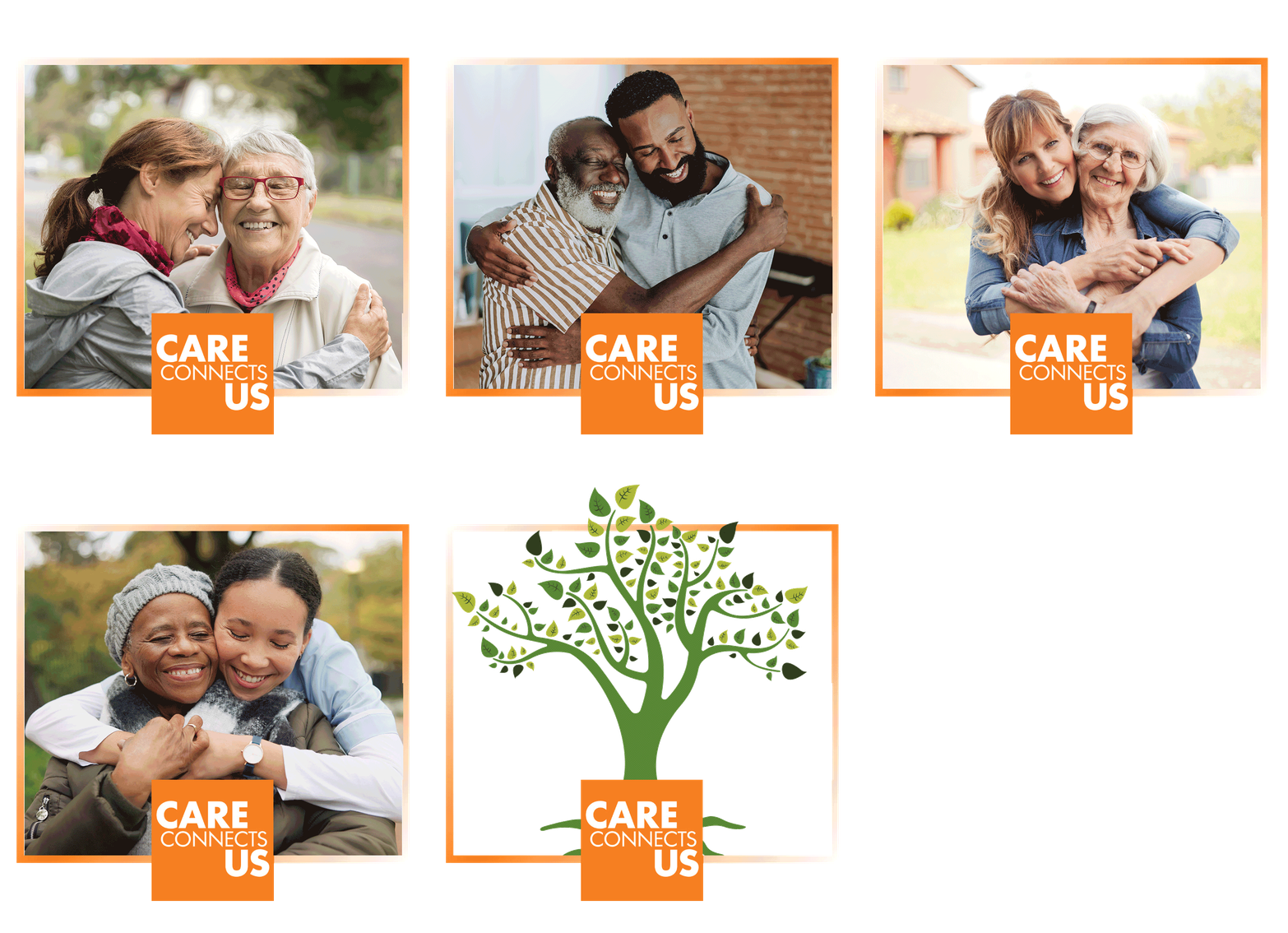
This year’s Caregiver Action Network theme, “Care Connects Us,” reminds us that caregiving is about more than providing assistance. It’s about relationships, understanding, shared experiences, and the connections that help both caregivers and those receiving care feel supported. Since 1994, National Family Caregivers Month has provided an opportunity to recognize the millions of Americans who devote their time, energy, and hearts to caring for loved ones.
At Legacy Home Health Care, we understand the emotional, physical, and mental strength it takes to be a caregiver. We know. We’ve been there. In keeping with our mission to empower families through education and support, we encourage everyone to take time this month to recognize, appreciate, and connect with the caregivers in their lives.
As a clinically owned agency, Legacy takes an integrative, whole-family approach to care. We recognize that when one person receives care, the entire household is affected. Our clinicians work closely with both patients and caregivers to create a coordinated care plan that supports healing, understanding, and balance at home. Through education, communication, and emotional support, we strive to strengthen the connections that make caregiving less stressful and more sustainable—for everyone involved.
Recognizing the Signs of Caregiver Stress
Caring for a loved one can be deeply rewarding—but it can also be overwhelming. According to the VA Building Better Caregivers Program, the following are ten common symptoms of caregiver stress:
- Denial about the illness or its effects
- Anger or frustration toward the person being cared for
- Social withdrawal from friends and activities
- Anxiety about the future
- Depression or hopelessness
- Exhaustion that makes daily tasks difficult
- Sleeplessness and constant worry
- Irritability and mood swings
- Lack of concentration
- Declining personal health
If you or someone you love recognizes these symptoms, it’s important to reach out for help.
Be a Healthy Caregiver
As the Alzheimer’s Association reminds us, caregivers must also care for themselves. Maintaining physical health, connecting with support systems, and taking time for rest are essential—not selfish—acts of love.
At Legacy Home Health Care, we are committed to supporting caregivers as much as the patients they care for. Our skilled nurses, therapists, and care coordinators partner with families to make home care not just sustainable, but empowering.
This National Family Caregivers Month, take a moment to thank the caregiver in your life. A kind word, a helping hand, or a simple “I see what you do, and it matters” can mean more than you know.
Because at Legacy, we believe care extends beyond the patient—it reaches every heart involved in the healing journey.
How Home Health Care Supports Family Caregivers
Caring for a loved one at home can be both rewarding and exhausting. Home health care can ease that burden and provide peace of mind by bringing professional, compassionate care right to your door.
Here’s how Legacy Home Health Care can make a difference for family caregivers:
- Professional Support: Skilled nurses and therapists help manage medical needs such as wound care, medication, therapy, and chronic condition monitoring—allowing caregivers to focus on being family again.
- Education & Training: Our clinicians teach family members safe care techniques, from medication management to mobility assistance, empowering them with confidence and knowledge.
- Coordinated Care: We work closely with physicians and families to create personalized care plans that ensure continuity, reduce hospital readmissions, and promote faster recovery.
- Emotional Relief: Knowing your loved one is in capable hands brings invaluable reassurance—and gives caregivers the time to rest, recharge, or attend to their own health.
Home health care doesn’t replace family—it supports them. At Legacy, we believe that helping caregivers care for themselves is one of the best ways to help the people they love.

Support for Veteran Caregivers
Building Better Caregivers® (BBC) is an online program to help Caregivers of Veterans with dementia, memory problems, post-traumatic stress disorder, a serious brain injury or any other serious injury or illness. The Caregiver must meet criteria and be willing to participate in the Caregiver support program in either the Program of Comprehensive Assistance (PCAFC) or Program of General Caregiver Support Services (PGCSS) programs.
Fewer conditions weigh more heavily on caregivers than Alzheimer’s and dementia. If you are caring for a loved one with these conditions, know that we stand with you.
Discover helpful tips, resources, and strategies to support both you and your loved one. Click below to read our blog about Alzheimer’s care and learn practical ways to make caregiving a little easier.