A Guide for Patients and Their Caregivers
Good health is built on good communication—and that starts with understanding. At Legacy Home Health Care, one of our primary goals is to help patients and their families make sense of diagnoses, medications, and treatment plans, while also learning the steps needed to safely return to daily life at home. Our skilled nurses, therapists, and staff walk alongside patients every step of the way, turning the journey to healing into a partnership.
Still, no matter how much support practitioners and home health staff provide, it’s essential for patients to take an active role in their own care. The first step is ensuring you have a clear understanding of your health situation and what it means for you.
For elderly patients in particular, the process can feel overwhelming—especially when navigating new medications, multiple providers, or complex instructions. Caregivers often help bridge these gaps, but one of the most powerful tools both patients and caregivers can share is health literacy: the ability to find, understand, and use health information to make informed decisions.
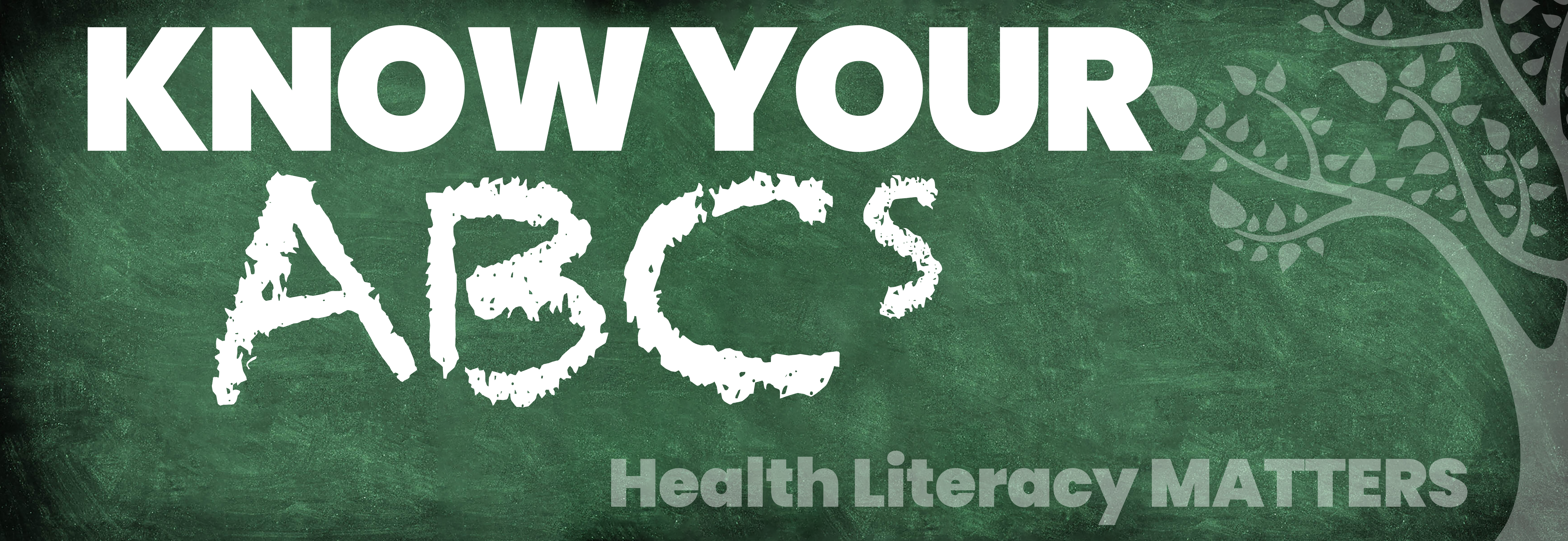
To make this concept simple and actionable, let’s look at the ABCs of health literacy and patient responsibility.
A – Ask Questions
Too often, patients feel rushed or hesitant during a doctor’s visit. But asking questions is the cornerstone of good health care. If something isn’t clear, it’s not only okay—it’s necessary—to ask for clarification.
For patients:
- Don’t leave an appointment without knowing what your diagnosis means, how to take your medicine, and what next steps you need to follow.
- Use simple questions like: “What does this mean for me?”, “What are my options?”, or “Can you show me how to do that?”
For caregivers:
- Write questions down before the appointment.
- Take notes or record instructions (with permission) to avoid confusion later.
B – Be Involved
Health care works best when patients and caregivers are active partners in the process.
For patients:
- Bring a list of medications, supplements, and allergies to every appointment.
- Speak honestly about symptoms, even if they seem minor or embarrassing.
- Follow through with recommended screenings and check-ups.
For caregivers:
- Keep a binder or digital file with health records, medication lists, and test results.
- Encourage loved ones to stay engaged—sometimes even small decisions, like choosing a time for therapy, empower patients to feel more in control.
C – Communicate Clearly
Clear communication closes the gap between medical instructions and daily routines.
For patients:
- Repeat back instructions in your own words: “So I take this pill with breakfast, not before bed, correct?”
- Ask for written handouts or large-print versions if needed.
- Let providers know about hearing, vision, or memory challenges that could make following directions harder.
For caregivers:
- Double-check that instructions are understood.
- Use calendars, pill organizers, or reminder apps to simplify routines.
- Share updates with doctors if something changes—like new side effects or difficulties with daily activities.

Why It Matters
Patients often juggle complex care plans, and without strong health literacy skills, important details can slip through the cracks. Caregivers play a vital role in supporting understanding, but true empowerment happens when both patients and caregivers share responsibility.
By remembering the **ABCs—Ask, Be involved, Communicate—**families can improve safety, confidence, and overall quality of life.
Health care may be complicated, but health literacy keeps it simple: know what you need, understand what it means, and act on it together. At Legacy Home Health Care, we don’t just provide care—we equip patients and families with the knowledge, experience, and education they need to thrive at home.
Reach out to us today and take the first step toward care that empowers.